



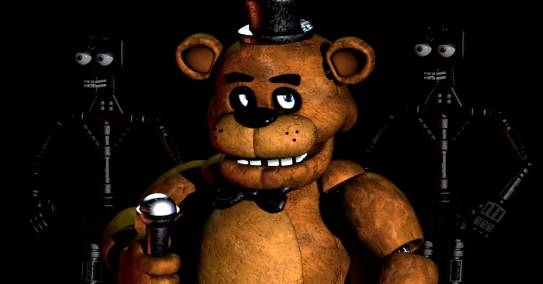
Introduction
Few horror games are as easy to pick up—and as hard to stay
calm in—as Fnaf.
At first glance it’s simple: you’re stuck in a security office, watching
cameras, trying to survive the night. But the real appeal comes from the
tension created by limited information, limited power, and the unsettling
feeling that something is always moving just out of sight. Whether you’re new
to the series or revisiting it, the best way to “experience” FNAF is to treat
it like a rhythm of observation, prediction, and controlled panic.
Gameplay: How the Experience Works
In classic Five Nights at Freddy’s, you play as a night
guard monitoring a haunted pizzeria. Your main tools are security cameras,
lights, and doors—each consuming precious power. The core loop is
straightforward: check cameras to track animatronics, close doors when they’re
near, and conserve enough electricity to make it until 6 AM.
What makes FNAF interesting is how it turns small decisions
into major consequences. Checking the cameras too often drains power; checking
too rarely means you lose track of threats. Some animatronics follow
predictable patterns, while others feel designed to punish habits—like always
checking the same camera order. Over time, you start recognizing sound cues,
timing windows, and subtle signs that something has changed. The game becomes
less about reflexes and more about building a mental map of danger.
FNAF also encourages a certain mindset: you’re not meant to
feel “in control.” Instead, the fear comes from managing uncertainty. Even when
you’re doing everything right, you’re never fully sure you’re safe.
Tips for a Better (and Less Frustrating) Run
Conclusion
Experiencing Fnaf is less about mastering a complex control
scheme and more about learning to stay composed while your brain fills in the
unknown. With a simple setup and cleverly escalating pressure, it turns
watching cameras into a surprisingly deep kind of horror puzzle. If you
approach it patiently—treating each night as a lesson—you’ll find the fun isn’t
just in surviving, but in understanding why you didn’t.